投稿日:2026-03-01 | 最終更新日:2026-06-14
2025年10月15日。Santa Fe 4日目
2025年10月15日。Santa Fe 4日目。昨日はサンタフェ初の自転車屋さんへ。今日もおすすめされたお店へ行く予定。ただ、朝イチに行く必要もなかったので、少しだけドライブすることにしました。
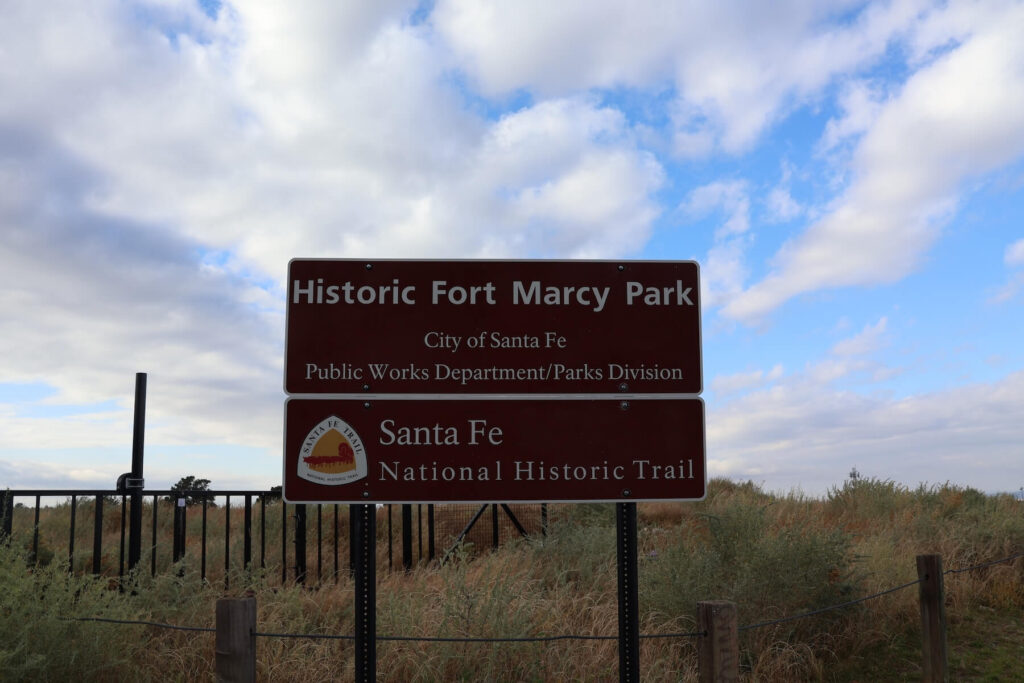
特に行き先を決めず、車でなんとなく坂を上っていくと、頂上あたりに公園を発見。ここは Historic Fort Marcy Park。1846年の米墨戦争(Mexican–American War)直後に建設された、米国陸軍の土造要塞です。
ざっくり言うと、この戦争以前、ニューメキシコはメキシコ領でした。この要塞は、アメリカがニューメキシコを占領し、サンタフェを実効支配した頃に、地元での反乱や戦闘に備えるための軍事拠点として作られたもの。当時は、壁の高さが約9フィート(約2.7m)、厚さが約5フィート(約1.5m)ほどある大規模な砦だったそうです。
ただし実際には、防衛拠点としての役割が大きく発揮されることはほとんどなく、次第にその存在意義は薄れていきます。南北戦争期に一部再活用された時期を経て、1890年代には役割を終え、放棄されました。
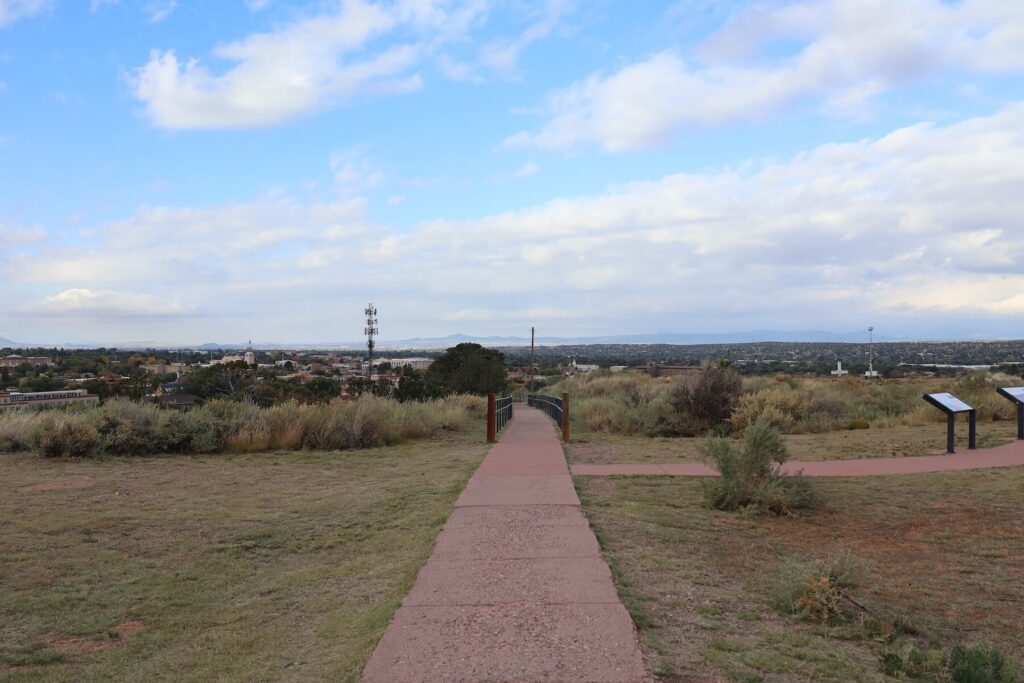
現在残っているのは、城壁や建物ではなく、地面に残る土塁の痕跡のみ。それでも丘の上からはサンタフェの街並みを一望でき、ビューポイントとして知られている場所です。
また、公園の丘のふもとには “Cross of the Martyrs(殉教者の十字架)” という記念碑があり、サンタフェの歴史とも深く関わるランドマークのひとつになっています。
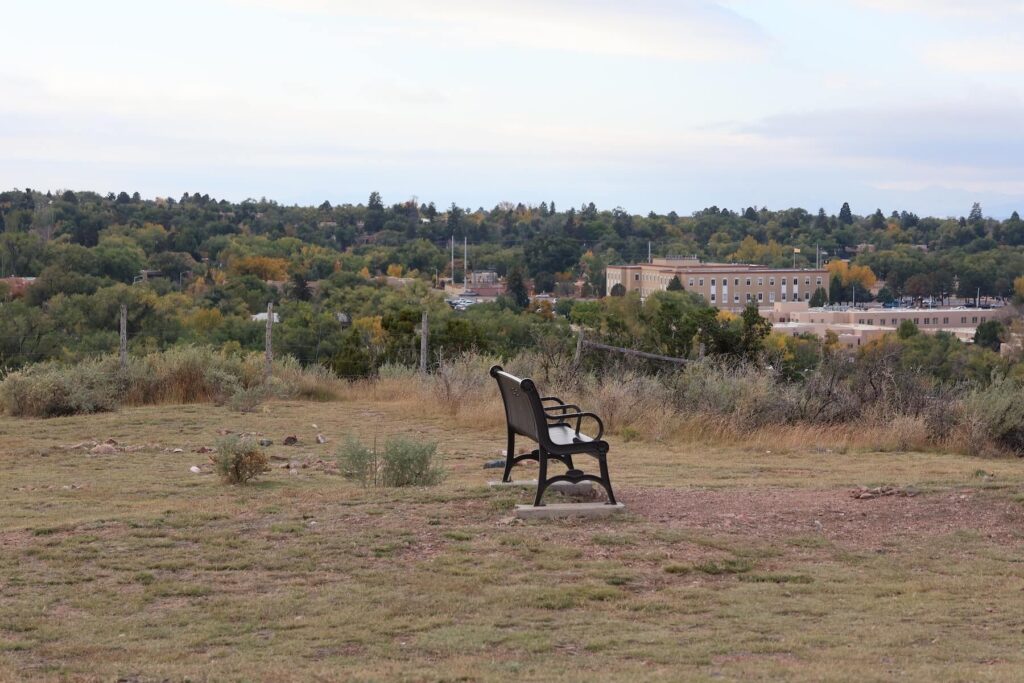
実際に行ってみると、とても高い場所にあって景色はきれい。でも、ベンチは1個だけという、なかなかシュールな公園。正直、歴史的背景を知らなければ「なんだかよくわからない場所」だと思います。
ただ、ここで改めて思うのは、ニューメキシコ州はもともとメキシコ領だったという事実。地名がスペイン語由来であること、家の多くがアドビ建築(プエブロ様式)であること、メキシコ料理とアメリカ料理が混ざった食文化。
「アメリカだけど、完全なアメリカじゃない」
「メキシコだけど、完全なメキシコでもない」
そんな境界の文化に、私はなんとなく惹かれているのだと思います。
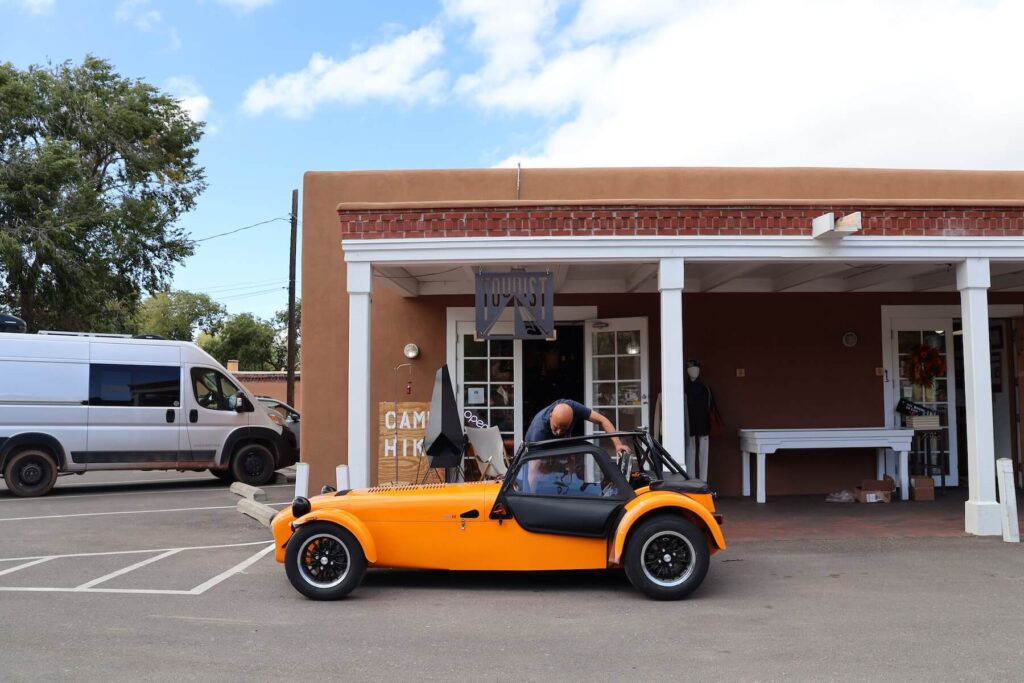
インディペンデントなアウトドアショップ、Tourist
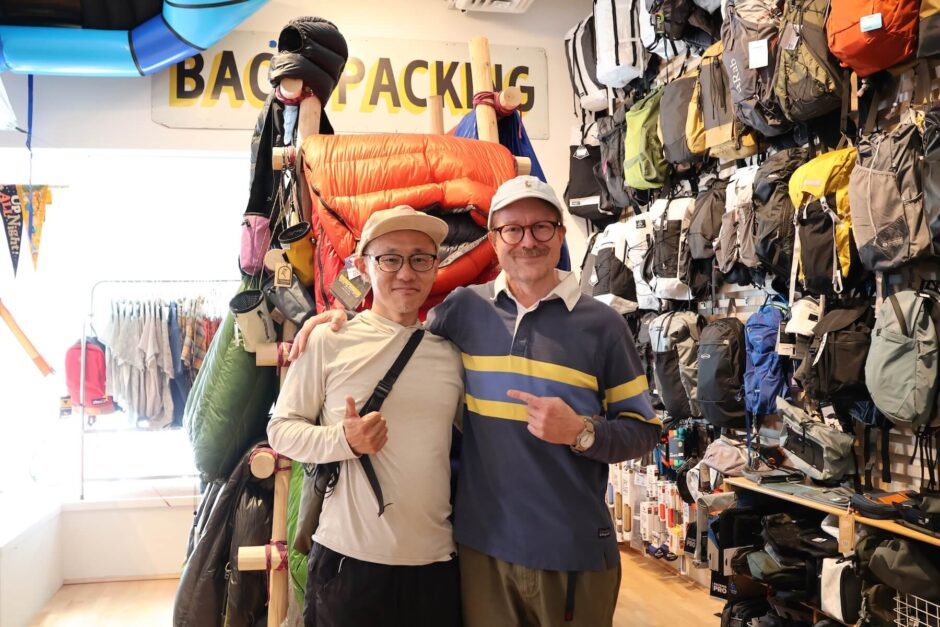
そのあとに、お目当てのお店へ。今日は自転車屋さんではなく、インディペンデントなアウトドアショップ、Tourist。
アウトドアショップですが、多くのバイクカルチャー仲間からおすすめされていた場所です。私自身も前から存在は知っていましたが、ネット上にはあまり情報がなく、どこかミステリアスな印象がありました。もっと隠れ家的なお店を想像していたのですが、実際はとてもモダン。
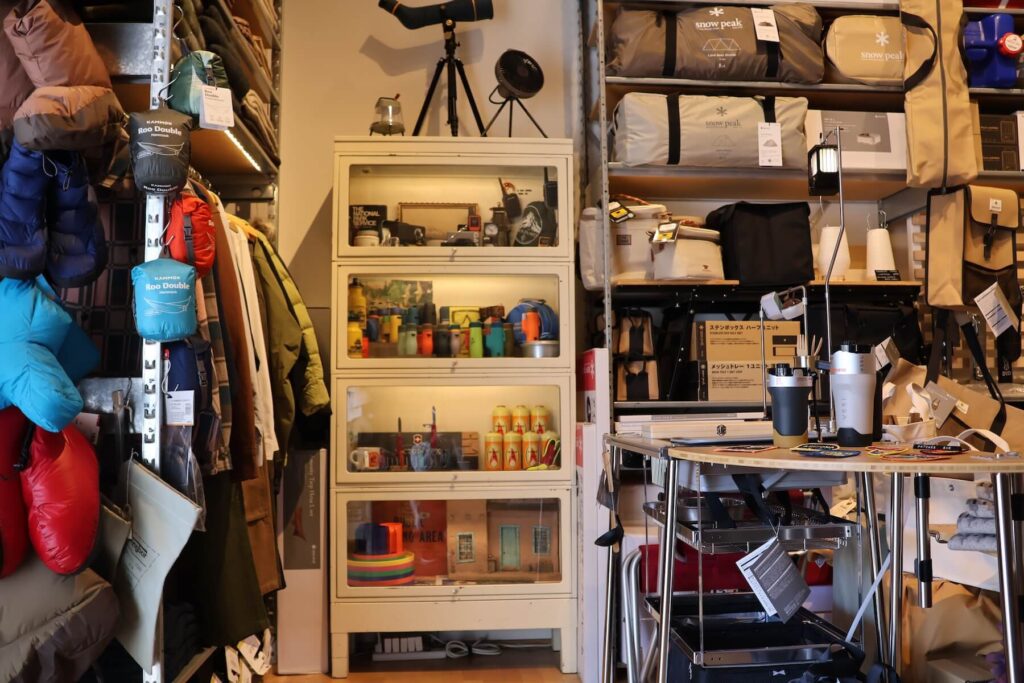
コンパクトな店内のあらゆるところにアウトドアギアがぎゅっと詰まっていて、平日にも関わらずお客さんが途切れません。
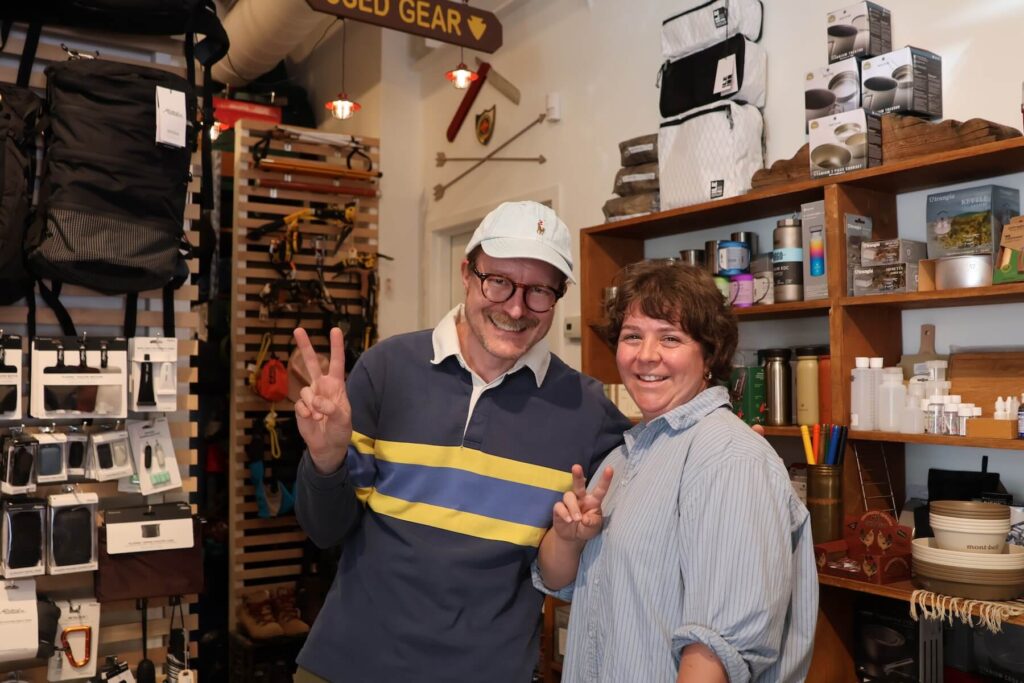
ちょうど2日前にNYから戻ったばかりというオーナーのThayneと、スタッフのKara。穏やかな空気の中で、少し話すことができました。
Touristは、アメリカでは数少ないモンベルの取扱店でもあります。私自身も愛用しているモンベルを、アメリカのお客さんが手に取って質問している様子を見て、なんだかホッコリ。
ちなみに、アメリカでモンベルの直営店はコロラド州ボルダーに1店舗のみ(2026年1月現在)。取扱店もかなり限られているようです。だから東京のモンベルに行くと、海外からのお客さんが多いのか、と腑に落ちました。
やっと実際のお店を訪れることができて、とても嬉しい一日でした。
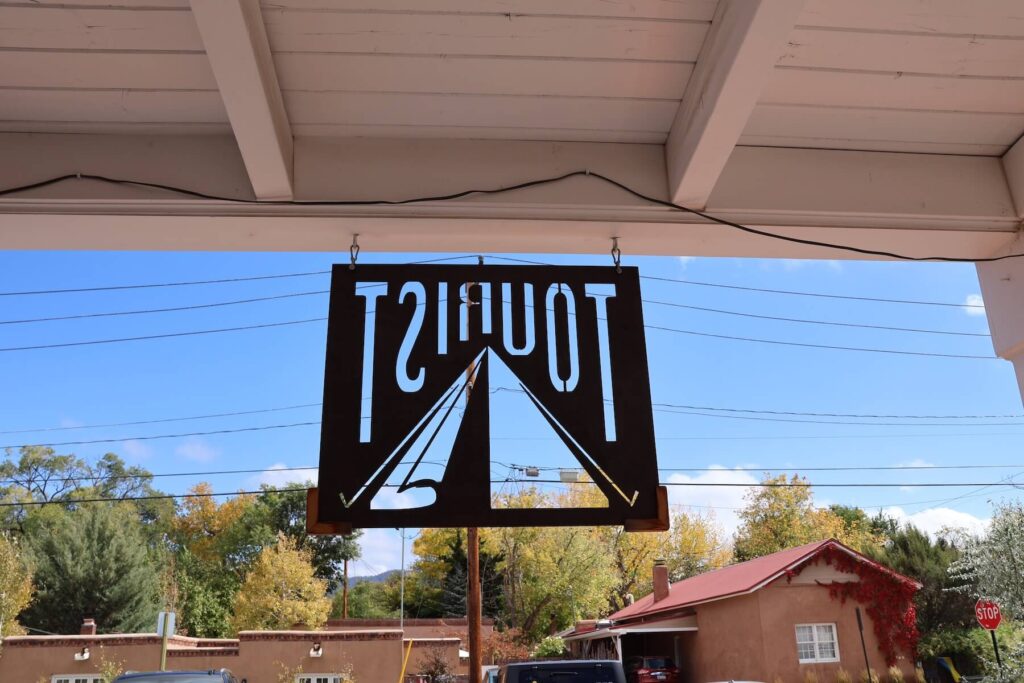
今日の写真は Historic Fort Marcy Park と Tourist。ご興味があれば、こちらから。明日はサンタフェで2軒目の自転車屋さん「The Broken Spoke」を訪ねます。
Day 15 in the U.S.: Tourist
October 15, 2025. My fourth day in Santa Fe. Yesterday I visited my first bike shop in Santa Fe. I had a few recommended places in mind, but there was no need to rush in the morning, so I decided to take a short drive first.
I didn’t set a destination. I just followed the road uphill, and near the top I came across a small park called Historic Fort Marcy Park. It’s an earthen fort built by the U.S. Army shortly after the Mexican–American War in 1846.
Before that war, New Mexico had been Mexican territory. The fort was constructed when the United States had just taken control of the region and Santa Fe, meant to prepare for possible uprisings or conflict. At the time, it was a substantial structure, with walls about nine feet high and five feet thick.
In reality, it was rarely used as a defensive base. Its purpose gradually faded. After a brief period of reuse during the Civil War era, it was abandoned by the 1890s.
Today, no walls or buildings remain. Only faint traces of the earthen embankments are left in the ground. Still, the hill offers a wide view over Santa Fe, and the park is known as a quiet viewpoint. At the base of the hill stands the Cross of the Martyrs, a monument closely tied to the city’s history.
When I actually visited, it was surprisingly high up, the view was beautiful, and there was only a single bench. A slightly surreal place. Without knowing the background, it would probably feel like just another empty spot.
Standing there reminded me again that New Mexico was once part of Mexico. Spanish place names. Adobe houses in Pueblo style. A food culture where Mexican and American influences naturally blend together.
American, but not entirely American.
Mexican, but not entirely Mexican.
I think I’m drawn to places that sit somewhere in between, where borders feel a little blurred and identities don’t fully settle into one shape.
After that, I headed to the shop I had been looking forward to. Not a bike shop this time, but an independent outdoor store called Tourist.
Although it’s an outdoor shop, many friends from bike culture had recommended it to me. I had known about it for a while, but there wasn’t much information online, which gave it a slightly mysterious feel. I imagined something more hidden and quiet, but the space turned out to be very modern.
The shop is compact, and every corner is packed with outdoor gear. Even on a weekday, customers kept coming in without pause.
I had a chance to talk briefly with the owner, Thayne, who had just returned from New York two days earlier, and with a staff member named Kara. The atmosphere was calm and unforced, the kind of place where conversation happens naturally.
Tourist is also one of the few shops in the U.S. that carries Montbell. I use Montbell myself, so watching American customers pick up the products and ask questions made me smile.
As a side note, Montbell has only one directly operated store in the U.S., in Boulder, Colorado, and very few retailers overall. That suddenly explained why Montbell stores in Tokyo often have so many international visitors.
Being able to finally visit the shop in person made this a quietly satisfying day. Not a dramatic one, but the kind that stays with you a little longer than expected.
Today’s photos are from Historic Fort Marcy Park and Tourist. Tomorrow I’m planning to visit my second bike shop in Santa Fe, The Broken Spoke.